
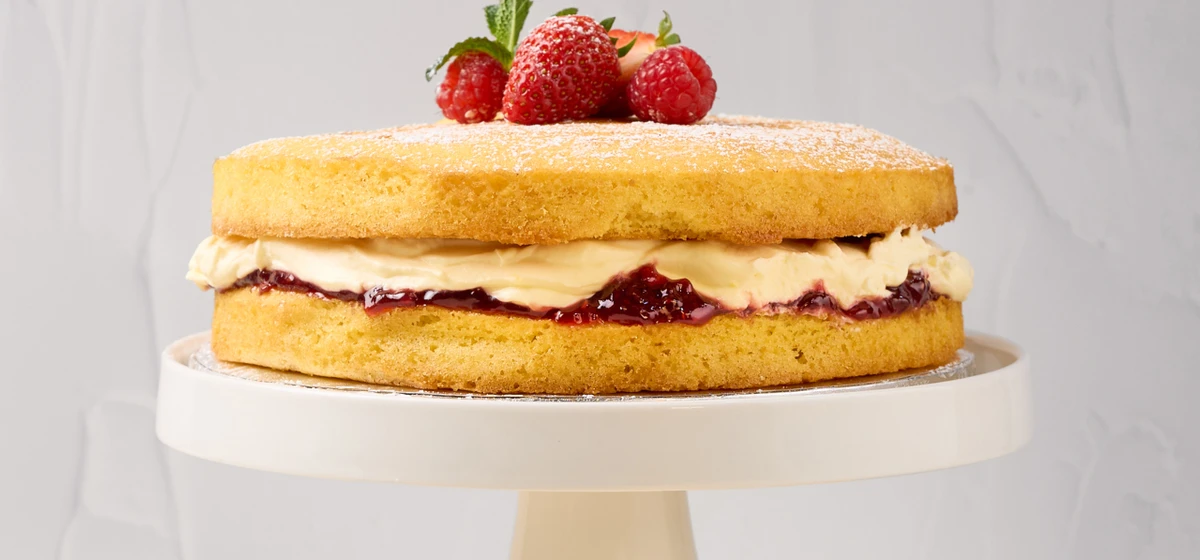
A homemade cake does not need a long ingredient list, complicated techniques, or hours in the kitchen to taste delicious. For busy weekend bakers, a simple four-ingredient sponge cake is an excellent way to prepare a light, fluffy dessert without making baking feel like a chore. Whether you are planning a family gathering, an afternoon tea, or a sweet treat for the weekend, this classic recipe offers a practical solution using everyday baking essentials.
The beauty of a sponge cake lies in its soft texture, delicate flavor, and versatility. It can be served plain, dusted with powdered sugar, or transformed into an elegant dessert with fresh fruit and cream. With a little preparation and careful mixing, even beginner bakers can create a cake that looks attractive and tastes wonderful.
Why a Four-Ingredient Sponge Cake Is Perfect for Weekends
Weekends are often filled with household responsibilities, family activities, and plans with friends. Spending several hours preparing an elaborate dessert may not always be convenient. A four-ingredient sponge cake makes baking more accessible by keeping the recipe straightforward and minimizing preparation time.
This recipe typically uses eggs, granulated sugar, all-purpose flour, and vanilla extract. These ingredients work together to create a soft cake with a delicate crumb. Eggs provide structure and help incorporate air, sugar adds sweetness and supports the texture, flour forms the cake’s foundation, and vanilla contributes a pleasant aroma.
Unlike richer cakes that require buttercream, multiple fillings, or elaborate decorations, this sponge cake can be enjoyed shortly after cooling. Its simple flavor also makes it suitable for different occasions, from casual weekend breakfasts to birthday celebrations.
Another advantage is that the ingredients are easy to measure and store. You can prepare the recipe whenever you want something homemade without making a special shopping trip.
Ingredients for a Simple Four-Ingredient Sponge Cake
The following measurements make one small round cake, approximately eight inches in diameter, depending on the depth of your pan and the cake’s final rise.
1. Eggs
Use four large eggs at room temperature. Eggs are essential because their structure helps the cake rise and hold its shape. When whipped with sugar, they trap tiny air bubbles that expand during baking, producing the characteristic light texture of a sponge cake.
Room-temperature eggs generally whip more readily than cold eggs. If your eggs are refrigerated, place them in a bowl of warm water for several minutes before beginning.
2. Granulated Sugar
Measure approximately 120 grams of granulated sugar. Sugar sweetens the cake while helping stabilize the whipped egg mixture. It also contributes to a delicate crumb and attractive golden color.
Add the sugar gradually while beating the eggs to encourage a stable, airy mixture.
3. All-Purpose Flour
Use approximately 120 grams of all-purpose flour. Sifting the flour helps remove lumps and makes it easier to incorporate without deflating the eggs.
For the lightest possible result, fold the flour into the whipped mixture gently rather than beating it vigorously.
4. Vanilla Extract
Add one teaspoon of vanilla extract for a warm, sweet aroma. Although optional in many traditional sponge cake recipes, vanilla makes this simple version more flavorful without introducing another complicated preparation step.
For this four-ingredient recipe, choose a good-quality extract or vanilla essence that you already have in your kitchen.
Step-by-Step Instructions for Busy Bakers
Step 1: Prepare the Oven and Cake Pan
Preheat your oven to 170°C (340°F). Grease an eight-inch round cake pan lightly and line the base with baking parchment.
Preparing the pan before mixing prevents the batter from sitting too long while you work. Sponge cake batter relies on incorporated air, so placing it in the oven promptly helps preserve its volume.
Step 2: Whip the Eggs and Sugar
Crack the eggs into a clean, dry mixing bowl. Begin beating them with an electric mixer, then gradually add the sugar.
Continue mixing for approximately five to eight minutes, depending on your equipment. The mixture should become pale, thick, and noticeably increased in volume.
To check whether it is ready, lift the beaters and allow some mixture to fall back into the bowl. It should leave a ribbon-like trail on the surface for a few seconds before disappearing.
This stage is particularly important because the recipe does not rely on baking powder for its rise. The air incorporated during whipping helps create the cake’s characteristic softness.
Step 3: Add the Vanilla and Flour
Mix in the vanilla extract briefly. Sift the flour over the whipped egg mixture in two or three additions.
Using a large spatula, gently fold the flour into the batter. Move the spatula around the sides of the bowl and through the center, turning the mixture over carefully.
Avoid stirring rapidly or using an electric mixer at this stage. Excessive mixing can remove the air you worked to incorporate, resulting in a dense sponge cake.
Continue folding only until no obvious pockets of dry flour remain.
Step 4: Transfer and Bake
Pour the batter into the prepared cake pan. Smooth the surface gently, then place the pan in the center of the preheated oven.
Bake for approximately 25–35 minutes, checking toward the end of the baking time. The cake should look golden, feel springy when lightly touched, and begin to pull away from the sides of the pan.
Insert a wooden skewer into the center. If it comes out clean or with a few dry crumbs, the cake is ready.
Avoid opening the oven door too early, as a sudden temperature change can cause the delicate sponge to collapse.
Step 5: Cool Before Serving
Remove the pan from the oven and let the cake cool for about ten minutes. Carefully turn it out onto a wire rack and allow it to cool completely.
Cooling helps the cake finish setting and makes slicing easier. If you cut it while it is still very warm, the delicate crumb may compress or break apart.
Once cooled, your homemade sponge cake is ready to serve or decorate.
Helpful Tips for a Light and Fluffy Result
Although this recipe uses only four ingredients, a few simple techniques can make a noticeable difference.
First, ensure that your mixing bowl and beaters are clean and free from grease. Residue can interfere with achieving the desired egg volume.
Second, measure the ingredients accurately. Too much flour can make the cake heavy, while an unsuitable egg-to-flour balance can affect its structure.
Third, take your time when folding the flour. Gentle movements preserve air bubbles and help the cake rise evenly.
Finally, check that your oven temperature is accurate. An oven that is too hot may brown the outside before the center finishes baking, while a cooler oven can leave the cake undercooked.
If your first attempt is not perfect, do not be discouraged. Small adjustments to whipping time, folding technique, and baking temperature can improve your results.
Delicious Ways to Serve Your Sponge Cake
One of the best things about a basic sponge cake is that it can be adapted to suit different tastes without changing the original recipe.
For a simple afternoon treat, dust the cooled cake with powdered sugar and serve it alongside tea or coffee. This presentation is quick, attractive, and ideal for unexpected guests.
For a fruity dessert, top individual slices with strawberries, blueberries, or sliced peaches. Fresh fruit adds color and a refreshing contrast to the cake’s gentle sweetness.
If you prefer a richer dessert, slice the cake horizontally and fill it with whipped cream and fruit preserves. This creates a traditional layered cake suitable for birthdays and small celebrations.
You can also serve slices with yogurt and seasonal fruit for a relaxed weekend brunch. For a more elegant presentation, add a light drizzle of chocolate sauce immediately before serving.
Keep in mind that fillings and toppings are additional ingredients. The cake itself remains a four-ingredient recipe, while decorations allow you to customize it for different occasions.
How to Store Homemade Sponge Cake
Proper storage helps maintain the cake’s softness after baking. Once completely cool, place it in an airtight container and keep it at room temperature for approximately two days, provided the environment is cool and dry.
If you need to store it longer, refrigerate it in a sealed container for several days. Refrigeration can make sponge cake feel firmer, so allow it to return to room temperature before serving.
For longer storage, wrap the unfilled cake securely and freeze it for up to two months for best quality. Thaw it while still wrapped to help retain moisture.
If you add fresh cream or another perishable filling, refrigerate the finished dessert and follow appropriate food-safety guidance.
Conclusion
A quick and easy four-ingredient sponge cake proves that homemade baking can be simple, affordable, and rewarding. With eggs, sugar, flour, and vanilla, you can create a delicate dessert that suits busy weekends and everyday celebrations.
The key is to whip the eggs thoroughly, fold the flour gently, and bake the batter at the correct temperature. These straightforward techniques help create a light texture without requiring specialized equipment or advanced baking experience.
Whether served plain with a cup of tea or dressed up with fruit and cream, this sponge cake offers plenty of possibilities. Keep the recipe handy for those moments when you want a fresh homemade dessert without spending your entire weekend in the kitchen.