
Understanding Fire Hazards During Facility Maintenance
Facility repair and maintenance activities can introduce fire hazards that are not present during normal building operations. Welding, cutting, grinding, electrical work, equipment servicing, and the use of temporary heating devices may create ignition sources. At the same time, maintenance activities can expose combustible materials, affect building systems, or change access to certain areas. Employers should evaluate these conditions before work begins and establish precautions appropriate to the specific task.
A maintenance project may involve several contractors working in different sections of a property. Without coordination, one team’s activity could create hazards for another team or affect the operation of fire protection equipment. Supervisors should review the work schedule, identify potential conflicts, and communicate relevant safety instructions. A structured process helps ensure that maintenance work is authorized, monitored, and completed with appropriate attention to fire prevention.
Reviewing Applicable OSHA Standards and Facility Procedures
Employers and contractors should determine which OSHA requirements apply to the planned maintenance activity. OSHA standards address welding and cutting, fire prevention, electrical safety, and other workplace hazards. Confined space requirements may also apply when work takes place in tanks, vessels, utility spaces, or other locations that meet the applicable definition. The relevant requirements depend on the task and the conditions at the facility.
Facility procedures and local fire codes may establish additional precautions. Property managers should review permit requirements, impairment procedures, contractor rules, and instructions from the authority having jurisdiction. The goal is to create a work plan that reflects all relevant obligations rather than relying on a general checklist. When requirements are unclear, qualified safety personnel should be consulted before maintenance begins.
Inspecting the Work Area Before Repairs Begin
A work area inspection helps identify conditions that could contribute to a fire during maintenance. Supervisors should look for combustible materials, flammable liquids, dust accumulation, exposed insulation, packaging, and nearby equipment that could be affected by heat or sparks. Materials that can be safely removed should be relocated, while items that cannot be moved may require suitable protection according to the work conditions and applicable procedures.
The inspection should include surrounding locations that may be exposed to the activity. Sparks can pass through openings, floor penetrations, and gaps, while heat may transfer through metal surfaces or connected equipment. Areas above, below, and adjacent to the work location may therefore require consideration. Contractors should communicate with facility representatives to identify concealed spaces and restricted areas that may not be obvious during a basic inspection.
Coordinating Hot Work Permits and Maintenance Authorization
Hot work should be managed through the facility’s established authorization process. Where a permit is required, it should identify the activity, location, responsible personnel, inspection findings, and necessary precautions. The permit process helps supervisors confirm that combustible materials have been addressed, suitable fire protection equipment is available, and relevant emergency procedures are understood before work begins.
Maintenance authorization should also cover activities that affect building systems or shared work areas. For example, repairs may require temporary isolation of electrical equipment or work on components associated with a fire protection system. These conditions should be communicated to the responsible facility personnel. If the work changes significantly from the original plan, the authorization should be reviewed before the activity continues.
Determining When Fire Watch Coverage Is Necessary
A fire watch may be required under applicable OSHA provisions, local fire codes, facility procedures, or the conditions identified during a hot work assessment. The decision should consider the type of activity, nearby combustible materials, building layout, and the possibility that sparks or heat could reach other locations. Employers should consult the relevant requirements and responsible safety personnel rather than assuming that every maintenance task needs the same arrangement.
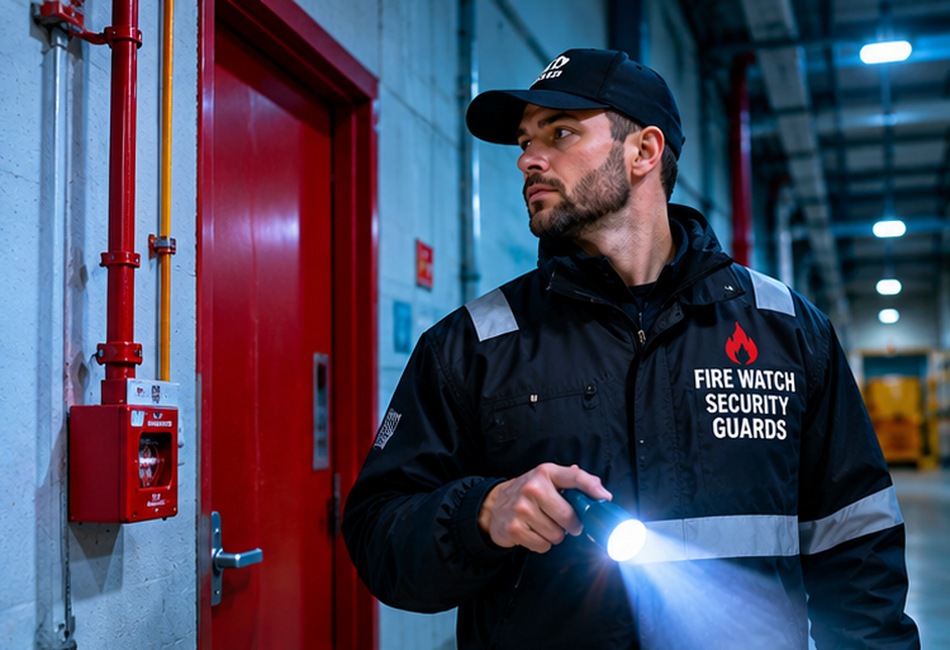
OSHA Fire Watch planning should clearly define the observation area, assigned responsibilities, communication methods, and procedures for reporting a concern. Personnel assigned to fire watch should understand the specific hazards associated with the maintenance work and should not be given unrelated duties that interfere with observation. If the work area or surrounding conditions change, supervisors should review whether the existing arrangement remains appropriate.
Preparing Fire Protection Equipment and Emergency Access
Suitable fire protection equipment should be available before maintenance work begins. Supervisors should confirm that equipment is appropriate for the hazards present, accessible, and maintained according to applicable requirements. Tools, materials, temporary barriers, and machinery should not block access to extinguishers, exits, emergency equipment, or designated routes. Workers should know where relevant equipment is located and understand the limits of their training.
Emergency access should also be considered when repairs affect corridors, doors, stairwells, or service areas. Temporary barriers and stored materials should not create unnecessary obstructions. If normal access routes must be changed, the responsible facility representative should review the arrangement and communicate alternative instructions to affected personnel. Maintaining clear access supports a more organized response if an emergency occurs.
Managing Fire Protection System Impairments
Maintenance work may require a fire alarm, sprinkler system, fire pump, or suppression component to be temporarily taken out of service. Such work should be managed through the property’s established impairment procedures and applicable local requirements. Facility managers should identify the affected equipment and areas, determine the expected duration, and notify the relevant parties as required. They should also consult the authority having jurisdiction when necessary.
Temporary precautions should be based on the extent of the impairment and the property’s specific conditions. These may include fire watch coverage or other measures directed by the responsible authority. Managers should coordinate with qualified technicians to restore the system as promptly as practical. Required testing, inspection, and confirmation should take place before normal protection is considered restored and temporary arrangements are ended.
Coordinating Contractors and Facility Maintenance Teams
Clear communication between contractors and facility teams is essential when several activities take place at the same property. Contractors should understand site access rules, work authorization procedures, emergency contacts, and reporting expectations. Facility representatives should communicate known hazards, restricted areas, system impairments, and any activities that could affect the maintenance project. These discussions should take place before work begins and continue when conditions change.
Supervisors should also establish how contractors will report unexpected hazards or changes to the approved work. A maintenance task may reveal damaged wiring, combustible deposits, leaking materials, or other conditions that require reassessment. Workers should know when to stop and contact the responsible person rather than making unauthorized changes. Consistent communication supports better coordination and helps keep the work aligned with the facility’s safety procedures.
Maintaining Records and Monitoring Work Progress
Documentation helps supervisors track maintenance activities and verify that required precautions have been addressed. Depending on the project, records may include work permits, inspection findings, system impairment notices, fire watch reports, contractor details, and notifications made. Records should be accurate, organized, and maintained according to facility procedures and applicable requirements.
Supervisors should review work progress and check whether the original safety plan still matches current conditions. Delays, additional repair tasks, changes in equipment, and new work locations may require updated instructions. If an issue is identified, the responsible personnel should document it and follow the established process for corrective action. Regular reviews help maintain oversight throughout the project rather than focusing only on the initial authorization.
Improving Future Repair and Maintenance Planning
After maintenance is completed, facility managers should review the project to identify lessons that could improve future work. They may consider whether the inspection process was effective, whether permits were completed correctly, and whether communication between contractors and facility teams was consistent. Any problems with access, scheduling, reporting, or temporary protection should be considered when updating site procedures.
A consistent maintenance safety process helps organizations manage changing work conditions while keeping fire prevention in focus. Employers should provide appropriate training, maintain clear responsibilities, and ensure that contractors understand the requirements relevant to their tasks. Regular reviews of permits, inspection records, and emergency arrangements can strengthen future planning. By combining hazard assessment, proper authorization, and effective coordination, facilities can support safer repair and maintenance operations.