
Introduction
Live streaming has become one of the most influential forms of digital entertainment. Millions of viewers worldwide tune in every day to watch their favorite creators play video games, share personal experiences, react to trending topics, participate in challenges, and interact with online communities. Unlike traditional top casinos television, live streaming allows audiences to communicate directly with creators, making every broadcast feel more personal and engaging.
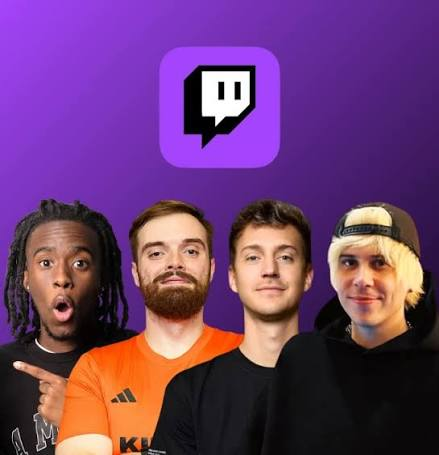
The biggest live streamers are transforming how people consume entertainment and how brands connect with audiences. Through platforms such as Twitch, YouTube, and Kick, these creators have developed loyal fan bases, built successful businesses, and introduced new ways to produce digital content. Their influence extends beyond streaming platforms into gaming, music, sports, fashion, and popular culture.
As technology continues to evolve, live streamers are helping shape the future of online entertainment. Understanding their success provides valuable insight into the opportunities and changes taking place across the streaming industry.
1. Kai Cenat: Bringing Energy to Live Entertainment
Kai Cenat has become one of the most recognizable personalities in modern live streaming. Known for his energetic personality, entertaining reactions, celebrity appearances, and creative livestream events, he has helped make streaming appealing to audiences beyond traditional gaming communities.
His broadcasts often include interactive challenges, comedy, collaborations, and special events that encourage viewers to participate in the experience. Rather than relying exclusively on gameplay, Kai combines several entertainment formats to keep his content fresh.
One important aspect of his success is his ability to generate conversations across multiple social platforms. Memorable moments from his livestreams frequently circulate as short clips, helping introduce his personality to people who may not watch an entire broadcast.
Kai’s approach demonstrates that modern streaming can function as a complete entertainment production rather than simply a person broadcasting from a computer.
2. IShowSpeed: Turning Personality Into Global Entertainment
IShowSpeed, widely known as Speed, has developed an international audience through his expressive personality, unpredictable reactions, gaming broadcasts, and real-world livestreams. His content frequently reaches viewers through viral clips shared on video platforms and social media.
Speed’s appeal comes partly from his ability to create memorable moments without following a traditional entertainment script. His reactions, humor, and spontaneous interactions give audiences reasons to keep watching and sharing his content.
He has also expanded beyond gaming into travel, music, football-related content, and interactions with fans around the world. These activities demonstrate how live streamers can develop recognizable personal brands that extend across different entertainment categories.
His international reach illustrates how streaming can connect creators with audiences regardless of geographical boundaries. It also shows that a distinctive personality can become a powerful advantage in a crowded digital marketplace.
3. Ibai Llanos: Combining Streaming With Major Events
Ibai Llanos is a prominent Spanish-speaking streamer known for combining gaming, interviews, entertainment, and large-scale live events. His work demonstrates that livestreaming can support productions that resemble traditional television shows while preserving the direct interaction of online platforms.
One of his most recognized projects is La Velada del Año, a boxing entertainment event featuring online personalities and creators. The event has attracted substantial online attention and demonstrates how streaming communities can support ambitious productions that extend beyond everyday broadcasts.
Ibai’s success is connected to his understanding of audience interests and his ability to bring different personalities together. By organizing events with clear themes and broad entertainment appeal, he has helped expand expectations about what creators can accomplish through livestreaming.
His work also highlights the growing importance of Spanish-language content in the international streaming industry.
4. xQc: Maintaining Attention Through Long Broadcasts
xQc is a well-known streamer recognized for his fast-paced commentary, gaming content, reactions, and lengthy livestreams. His career reflects the importance of consistency and audience engagement in a competitive streaming environment.
Long broadcasts can create opportunities for viewers to participate at different times throughout the day. They also provide creators with space to explore multiple topics, respond to current events, and develop spontaneous conversations.
However, maintaining a successful channel requires more than broadcasting for extended periods. Streamers must offer entertaining content, understand audience expectations, and develop a recognizable style.
xQc’s influence illustrates how livestreaming differs from traditional video production. While edited videos are carefully structured before publication, live broadcasts often depend on improvisation and immediate audience feedback.
His career also demonstrates the challenges associated with sustaining attention in a market where viewers have countless entertainment options.
5. Ninja: A Pioneer of Mainstream Gaming Streams
Ninja, whose real name is Tyler Blevins, helped bring competitive gaming and livestreaming into mainstream entertainment. His popularity increased significantly during the rise of Fortnite, when his gameplay and collaborations attracted viewers who might not previously have followed esports or gaming broadcasts.
Ninja demonstrated that gaming creators could become mainstream personalities through a combination of skill, entertainment, consistency, and public visibility. His collaborations with celebrities and appearances in broader entertainment settings helped introduce livestreaming to new audiences.
Although the industry has changed considerably since his early rise, his career remains an important example of how a streamer can turn gaming expertise into a recognizable personal brand.
Ninja also helped demonstrate the commercial possibilities of streaming, including sponsorships, merchandise, partnerships, and appearances beyond digital platforms.
His influence continues to provide a useful example for aspiring creators who want to build sustainable careers in online entertainment.
6. Kai Cenat, Speed, and the Rise of Collaborative Streaming
Collaboration has become an important part of the modern streaming industry. Creators frequently appear on one another’s channels, participate in group challenges, and organize special broadcasts that attract audiences from multiple communities.
Kai Cenat and IShowSpeed illustrate how creator personalities can generate attention through shared events, friendly competition, and entertaining interactions. Similar collaborations across the industry allow streamers to reach viewers who might otherwise never discover their channels.
These partnerships can also help creators experiment with new formats. A gaming streamer might participate in a comedy broadcast, while a lifestyle creator might join a live discussion or sporting event.
Collaborative streaming benefits audiences by introducing fresh personalities and unexpected entertainment. For creators, it can support audience growth and encourage stronger relationships across online communities.
The most successful collaborations generally work because the participants bring distinct personalities and complementary strengths rather than simply repeating the same content.
7. How Streaming Platforms Are Changing the Industry
The growth of livestreaming has encouraged platforms to compete for creators, viewers, and advertising opportunities. Twitch remains strongly associated with gaming communities and interactive broadcasts, while YouTube offers livestreaming alongside searchable videos and short-form content. Kick has also emerged as another option for creators seeking alternatives within the streaming market.
Each platform offers different opportunities for content distribution, monetization, and community development. A creator’s choice often depends on audience preferences, available features, platform policies, and business arrangements.
Streaming platforms are also investing in improved discovery tools, moderation systems, mobile experiences, and creator features. These developments help audiences find relevant content and give broadcasters additional ways to engage with their communities.
At the same time, competition creates challenges. Creators must consider platform rules, revenue arrangements, discoverability, and the possibility that changes to recommendation systems may affect their reach.
As a result, many streamers distribute clips across several platforms instead of depending entirely on a single channel.
8. The Business Opportunities Behind Live Streaming
Live streaming has developed into a significant business opportunity for creators, brands, and entertainment companies. Successful streamers can generate income through subscriptions, viewer donations, advertising, sponsorships, merchandise, and exclusive partnerships.
Brands increasingly recognize that streamers can provide access to communities with specific interests. Gaming companies, technology businesses, fashion labels, and consumer brands may collaborate with creators whose audiences align with their products.
However, effective partnerships depend on trust. Viewers are more likely to respond positively when sponsored content fits the creator’s established interests and is presented transparently.
Streaming can also support businesses by providing immediate feedback. Creators can answer audience questions, demonstrate products, and discuss features in real time.
Nevertheless, earning a sustainable income is not guaranteed. Revenue can fluctuate, production expenses can increase, and audience growth may take considerable time. Building a dependable career requires planning, consistent content, financial awareness, and a clear understanding of the audience.
9. What Makes the Biggest Live Streamers Successful?
Although successful streamers have different personalities and content styles, several characteristics often contribute to their popularity.
Authenticity: Viewers are attracted to creators who develop a recognizable voice and communicate naturally with their communities.
Consistency: Regular broadcasts help audiences understand when to expect new content and encourage repeat viewing.
Interaction: Responding to chat messages, acknowledging viewers, and organizing community activities make livestreams more engaging.
Adaptability: Popular formats and audience preferences change quickly. Creators who experiment with new ideas can discover additional opportunities.
Community building: A loyal audience can support a channel through recommendations, discussions, fan-created clips, and participation in special events.
Content distribution: Sharing highlights on other platforms helps streamers reach people who may not discover their live broadcasts directly.
These qualities do not guarantee success, but they can help creators establish stronger connections with viewers and develop a more sustainable presence.
10. The Future of the Streaming Industry
The future of livestreaming will likely involve greater integration between live broadcasts, short-form videos, podcasts, interactive entertainment, and real-world events. Creators may continue to develop more professional productions while preserving the spontaneous atmosphere that makes live content distinctive.
Artificial intelligence and improved editing tools may help streamers create captions, organize highlights, and manage repetitive production tasks. Better mobile technology and internet connectivity could also make live broadcasting more accessible to people around the world.
Meanwhile, audience expectations will continue to evolve. Viewers increasingly have opportunities to participate through polls, live chats, community events, and other interactive features.
Competition will remain intense, and platforms will need to balance creator freedom with safety, moderation, and sustainable business practices.
The streamers who adapt successfully will likely be those who understand their audiences, experiment responsibly, and provide entertainment that feels meaningful rather than repetitive.
Conclusion
The biggest live streamers are changing the entertainment industry by combining personality, technology, community participation, and creative experimentation. Personalities such as Kai Cenat, IShowSpeed, Ibai Llanos, xQc, and Ninja demonstrate different approaches to building audiences and expanding the possibilities of digital entertainment.
Their influence reaches far beyond individual broadcasts. They help establish new entertainment formats, create business opportunities, influence online trends, and encourage closer connections between creators and viewers.
As livestreaming continues to develop, success will depend on more than attracting large audiences. Authentic communication, creative ideas, responsible community management, and the ability to adapt will remain essential.
Ultimately, the biggest live streamers are not simply broadcasting content. They are helping shape a new generation of interactive entertainment in which audiences can participate, communities can grow, and creators can build lasting digital brands.